Observations about rarity and value

The word "rare" is used to indicate that a coin is of a type that is, in some sense, very unusual and, by implication, more valuable than other similar coins. However, it is important for collectors to realize that there are different types of rarity. In US coins, a "rare" type is usually worth much more than a similar "common" type, but in some contexts the word "rare" does not justify much of a premium price.  For example, here is a "common" type followed by a similar unlisted ("very rare") type (really, just a "variety") that is of little additional interest or value.
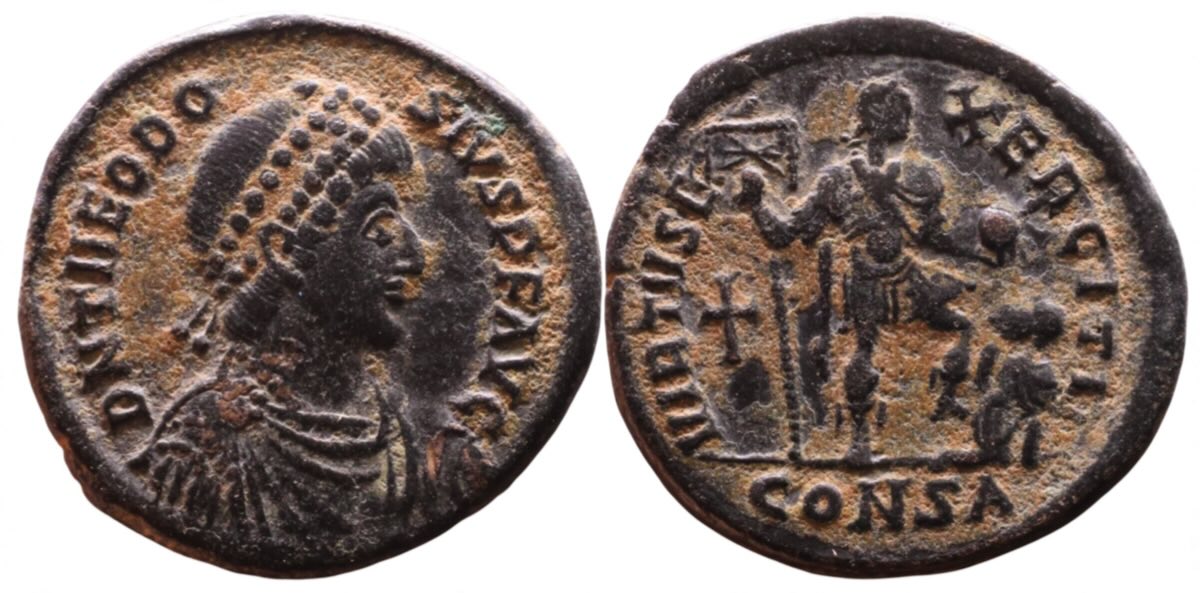
Theodosius, 379-395
AE2. 22 mm. 4.46 grams.
VIRTVS EXERCITI
Emperor standing right, holding standard and globe, spurning captive
 +
CONSA
RIC IX Constantinople 83b1 "C" for common.

This type is common and readily avilable in nice condition. The next coin is very similar with one difference.
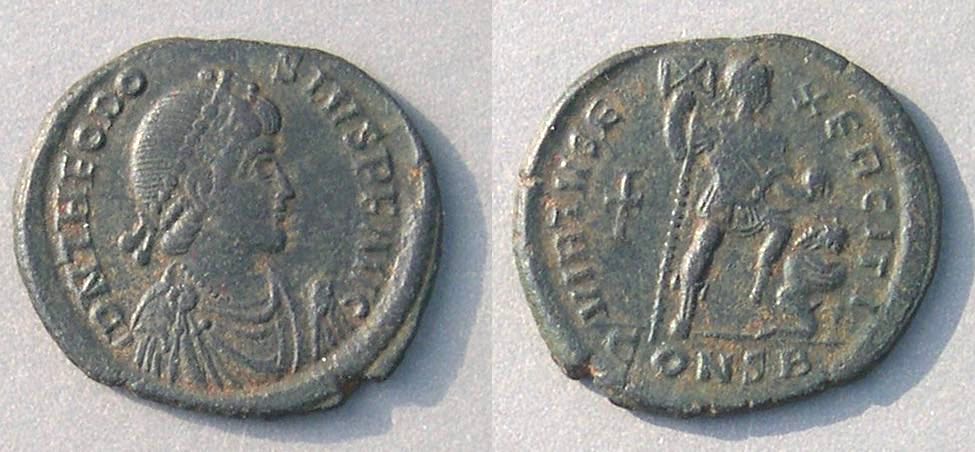
 

Again, Theodosius, but

CONS(not CONSA)

RIC IX Constantinople 83b unlisted variety--officina B is not listed for Theodosius; officina B is usually for Valentinian II.  Theodosius is listed only with A, and Arcadius only with Γ. 

Does it matter that this Theodosius has officina B? 

Not much. Many collectors (and dealers) would not even notice that. Many collectors don't particularly want any coin of Theodosius at all, and among those who do, most just want one portrait piece. Relatively few collectors go on to be interested in a "type set" where they want his different designs, and among those few only some care about details such as the mint and officina number.  So, demand for officina B isn't strong and the premium is not high.


Conclusion. Interesting rarity can add value, but often "rare" is used to refer to varieties of little interest and then it doesn't affect value much. 

      The end


Go to my page "On rarity" which explains the principles of rarity and price: http://augustuscoins.com/ed/numis/rarity.html

Go to the table of contents of this whole educational site: http://augustuscoins.com/ed/    

Go to  the top of the page for beginners "Ancient Roman and Greek Coins, FAQ"   http://augustuscoins.com/ed/numis/